
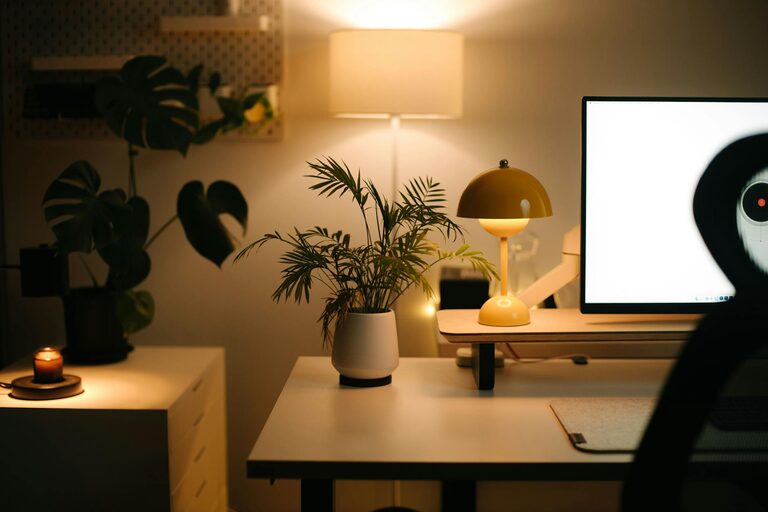
Creating a cozy and inviting home workspace is essential for maintaining focus and comfort throughout your workday. Whether you’re working remotely full-time or just occasionally, a well-designed workspace can enhance your productivity and make your work hours more enjoyable. In this post, we’ll explore practical tips to help you create a home office that feels both cozy and inviting.
Why a Cozy Workspace Matters
A workspace should be more than just functional—it should be a place that inspires creativity, reduces stress, and makes you excited to work. When your office feels inviting, you are more likely to maintain good posture, stay organized, and develop positive work habits. Small changes can have a big impact on your mood and efficiency.
1. Choose the Right Location
Consider Natural Light
One of the easiest ways to make your workspace inviting is to set it up near a window. Natural light helps reduce eye strain and boosts your mood. If natural light is limited, opt for warm, soft lighting that mimics daylight.
Minimize Distractions
Select a quiet corner or room where you can focus without interruption. If that’s not possible, noise-canceling headphones or room dividers can help create a sense of separation.
2. Select Comfortable and Functional Furniture
Ergonomic Chair and Desk
Invest in an ergonomic chair that supports your back and encourages good posture. Pair it with a desk that suits your height and work style, whether that means a traditional desk or a standing desk.
Add Soft Textures
Incorporate cushions or a cozy throw blanket on your chair to add warmth. Area rugs can also soften the space and make it feel more welcoming.
3. Personalize Your Space
Display Meaningful Items
Keep a few personal touches like photos, artwork, or plants that make you feel at home. These elements add personality without cluttering your workspace.
Use Colors You Love
Choose colors for your walls or accessories that relax and motivate you. Soft blues and greens create calm environments, while yellows and oranges can energize you during your tasks.
4. Organize Thoughtfully
Declutter Regularly
Keep only essential items on your desk to maintain a clean, stress-free space. Use organizers, shelves, or drawers to store supplies neatly.
Use Functional Storage
Invest in storage solutions that fit your style and needs, such as decorative baskets, filing cabinets, or modular desk organizers.
5. Incorporate Greenery
Benefits of Plants
Adding plants introduces natural elements that improve air quality and promote a sense of peace. Low-maintenance plants like succulents or pothos are great for busy professionals.
Placement Tips
Place plants where they can get enough light but won’t obstruct your workspace. Small plants on your desk or larger ones in the corner are ideal.
6. Control Noise and Distractions
Soundproof Your Space
Use rugs, curtains, or acoustic panels to absorb sound. This creates a quieter atmosphere and reduces distractions.
Play Background Music
Gentle background music or white noise can help some people focus better. Experiment to find what works best for you.
7. Add Functional Lighting
Task Lighting
A good desk lamp with adjustable brightness helps reduce eye strain, especially in the evenings or darker rooms.
Ambient Lighting
Soft ambient lighting, such as a floor lamp or string lights, creates a warm and comforting atmosphere.
8. Keep Your Workspace Fresh
Air Quality
Open windows when possible to let in fresh air. Consider an air purifier if your workspace feels stuffy.
Scent
Use subtle scents like essential oils, candles, or diffusers for a pleasant environment. Choose calming scents like lavender or invigorating ones like citrus.
9. Set Boundaries for Work and Rest
Define Your Workspace Area
If working in a multipurpose room, clearly mark your workspace with rugs or furniture placement to signal “work time” versus “relax time.”
Establish a Routine
Make it a habit to start and stop work at designated times to maintain a healthy work-life balance.
Conclusion
Creating a cozy and inviting home workspace doesn’t require a complete overhaul. Small adjustments focused on comfort, personalization, and organization can transform your work environment and enhance your wellbeing. Remember to tailor your space to your preferences and needs, making work something you look forward to every day. With these tips, you’ll create a space that supports productivity and feels like your personal haven.