
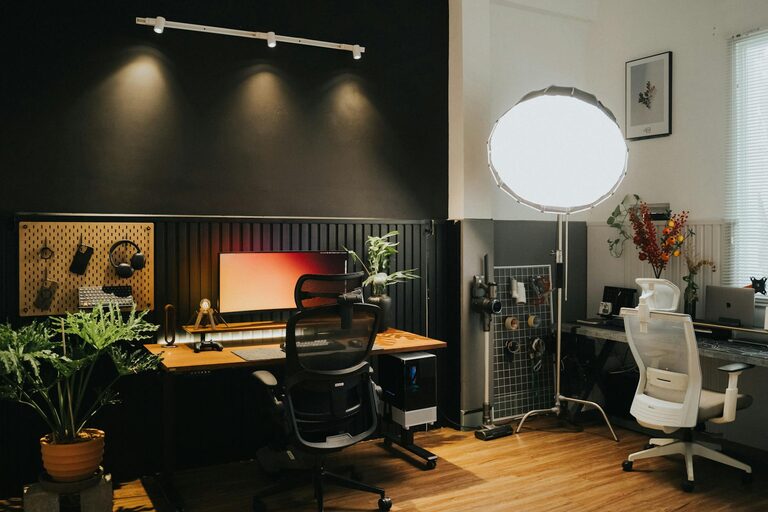
Creating a cozy and functional home office is more important than ever as many people work remotely or spend considerable time completing tasks at home. A well-designed workspace can improve focus, reduce stress, and make your workday more enjoyable. Whether you have a dedicated room or just a corner in your living space, these tips will help you transform it into an inviting and productive environment.
1. Choose the Right Location
Selecting the best spot in your home for your office space is the first step. Ideally, find a quiet area away from daily distractions like the TV, kitchen, or high-traffic zones. If privacy is limited, consider using room dividers or screens to visually separate your workspace.
Natural light is a huge bonus. Placing your desk near a window can boost your mood, reduce eye strain, and keep you energized throughout the day. However, be mindful of glare on screens and position your monitor accordingly.
2. Invest in Comfortable and Supportive Furniture
Since you’ll be spending several hours sitting and working, comfort is key. A good ergonomic chair supports your back and helps maintain healthy posture, reducing the risk of aches and fatigue.
Choose a desk that suits your needs and space. If possible, consider an adjustable desk that allows you to alternate between sitting and standing. This can promote better circulation and reduce prolonged sitting discomfort.
Keep your furniture scaled appropriately to your room size, so the space doesn’t feel cramped or overwhelming.
3. Optimize Lighting for Productivity and Comfort
In addition to natural light, proper artificial lighting plays a vital role. Use a combination of ambient lighting (ceiling lights) and task lighting (desk lamps) to minimize shadows and glare.
LED desk lamps with adjustable brightness and color temperature can reduce eye strain and help maintain alertness. Aim for soft, warm tones for a cozy atmosphere or bright, cool lights for enhanced concentration.
Avoid harsh overhead lighting alone — layer your lighting to create a balanced and pleasant workspace.
4. Personalize Your Space with Decor
Aesthetics affect how you feel in your workspace. Add personal touches like artwork, plants, or photos that bring you inspiration and comfort without overwhelming the area.
Plants are especially beneficial, as they improve air quality and add a sense of calm. Choose low-maintenance varieties like succulents or snake plants that thrive indoors.
Declutter your desk but leave room for a few meaningful items to make the space welcoming.
5. Organize for Efficiency
An organized office helps reduce stress and saves time searching for items. Use storage solutions such as shelves, drawer organizers, and filing cabinets to keep papers and supplies neatly arranged.
Label your storage spaces and maintain a regular tidying routine to prevent buildup of clutter.
Use cable management tools like clips or tubes to keep cords tidy and prevent tangling.
6. Create Boundaries Between Work and Home Life
When working from home, it’s easy for office tasks to spill over into personal time. Establish boundaries by setting specific work hours and sticking to them as much as possible.
Use visual or physical markers, such as closing a door or shutting down your computer at the end of the day, to signal the end of work time.
If your office is a shared space, communicate your work schedule to housemates or family to minimize interruptions.
7. Incorporate Technology Thoughtfully
Equip your home office with the right technology tailored to your tasks. A reliable computer, fast internet connection, and quality webcam or headset can improve remote communication and productivity.
Avoid cluttering your desk with unnecessary gadgets. Keep only what you need easily accessible, and consider wireless devices to reduce cable mess.
Backing up data regularly and ensuring your software is up to date also helps avoid technical setbacks.
8. Prioritize Comfort Items for Well-being
Besides ergonomic furniture, add comfort-enhancing elements like a cozy throw blanket, a small fan or heater, or even a footrest.
Taking short breaks to stretch or move around can further enhance comfort and reduce fatigue.
Consider playing soft background music or white noise if it helps you focus better.
—
Creating a cozy and functional home office takes a bit of planning but can make a world of difference in your daily work experience. By combining comfort, organization, and personalization, you can craft a space that supports productivity while feeling welcoming and peaceful. Start with small changes, and adjust your setup over time to find what works best for you.